Courses - Spring 2027
Introductory
RELS 0018 What Are We Talking About When We Talk About Religion?
P. Nahme
M 3-5:30
Religion is pervasive in contemporary life, yet remains difficult to define. Once cast as a
remnant of the past, religion nevertheless remains part of global conflicts, ethno-
nationalist rhetorics, and moral debates ranging from immigration and healthcare to
warfare and AI and what it means to be human. This course introduces students to
religious practices and expressions alongside the theories and methods scholars use to
study them. Through examples from Jewish, Christian, Muslim, Hindu, and Buddhist
traditions—including rituals, texts, communities, sacred spaces, bodies, media, and
popular culture—we will ask how scholars have reframed the question of what we are
talking about when we talk about “religion.”
 RELS 0059 Jewish Ethics
C. Stern
TTh 1-2:20
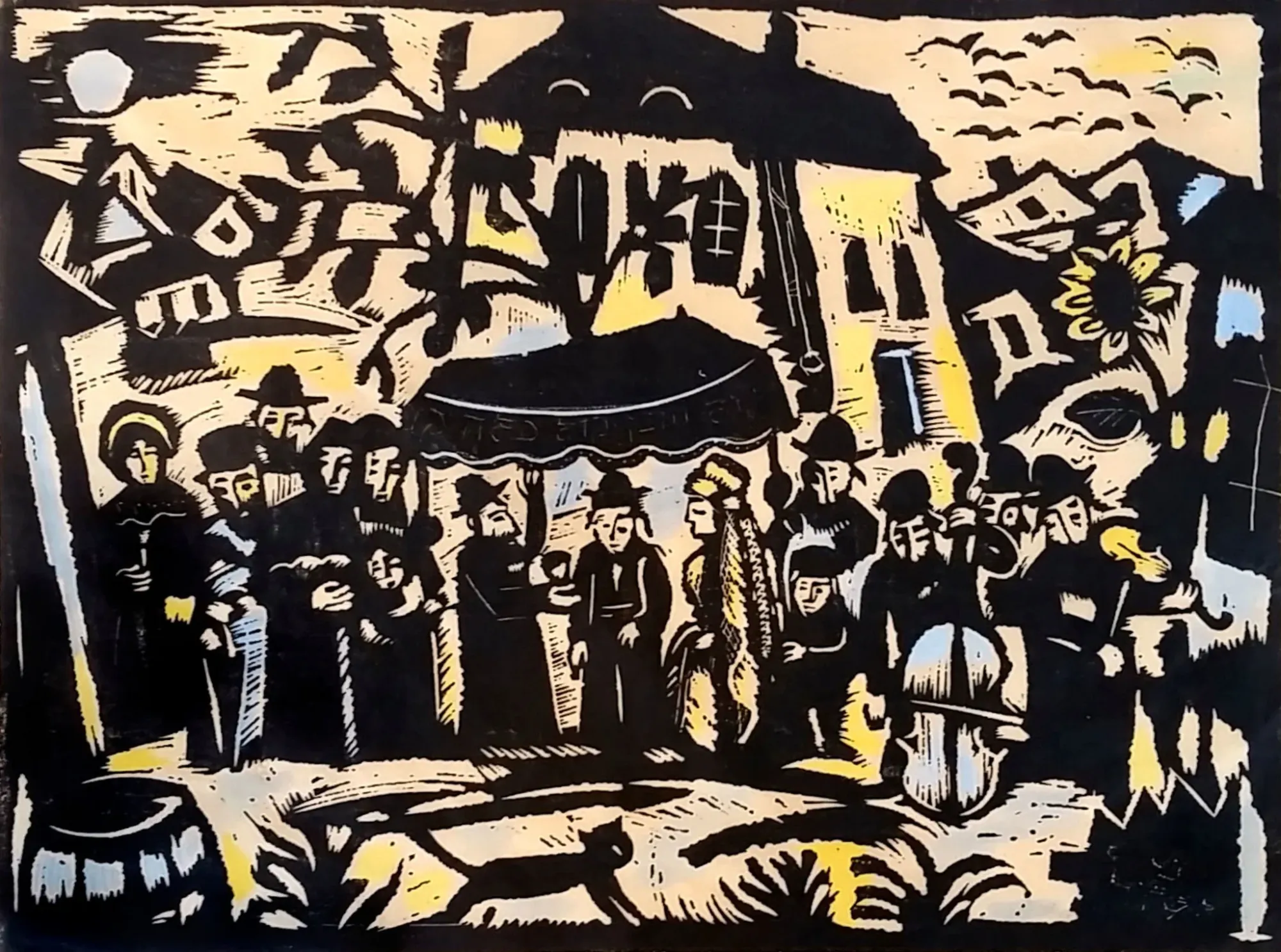
What does it mean to live well and how can we live well with others? These questions have long been at the center of ethical inquiry and moral philosophy. But for Jews—a historically persecuted and minoritized people—these more mainstream ethical questions have always been entangled with political concerns. The questions become: What does it mean to live well as a Jew in a diverse world? In what ways are Jewish ethical teachings both particular to Jews and also considered to be universal ethical practices? By way of an introduction to Jewish ethics, we will examine ethical inquiries through canonical texts in Jewish thought, while also incorporating key texts in political theory, feminist studies, and philosophy.
RELS 0061 An Introduction to Jewish Mysticism
TBD
MWF 11-11:50
This course offers a survey of the major trends of Jewish mysticism, from the Merkabah texts of late antiquity, the intellectual mysticism of Maimonides, the various schools of Kabbalah that developed in the Middle Ages, to Christian Cabala, Lurianic Kabbalah, Sabbateanism, Hasidism, and contemporary forms of Kabbalah. Attention will be given to both shared and unique aspects of each Jewish mystical tradition, as well as their socio-cultural settings. While all readings will be made available in English and no prior knowledge of Hebrew or Aramaic is required, students will be invited to engage primary sources in the original languages.
![]() RELS 0100 Buddhist Thought, Practice, and Society
J. Protass
MWF 10-10:50
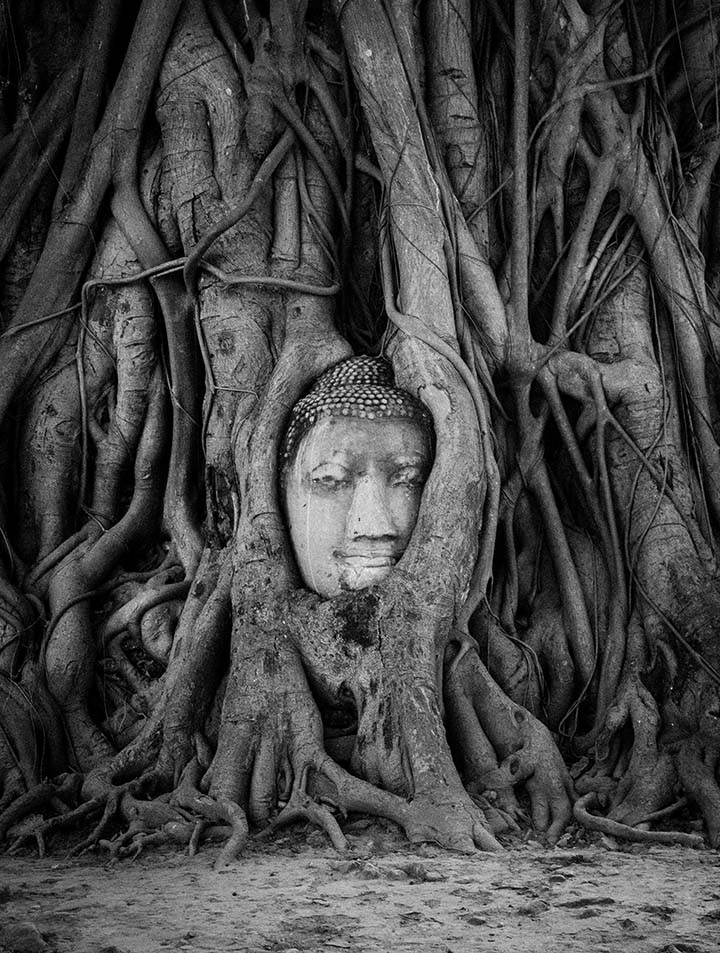
From its beginnings to the 21st century. Principal teachings and practices, institutional and social forms, and artistic and iconographical expressions.
RELS 0122 The Art of Eating: Religious Foodways in Chinese Society
Y. Luo
MWF 2-250
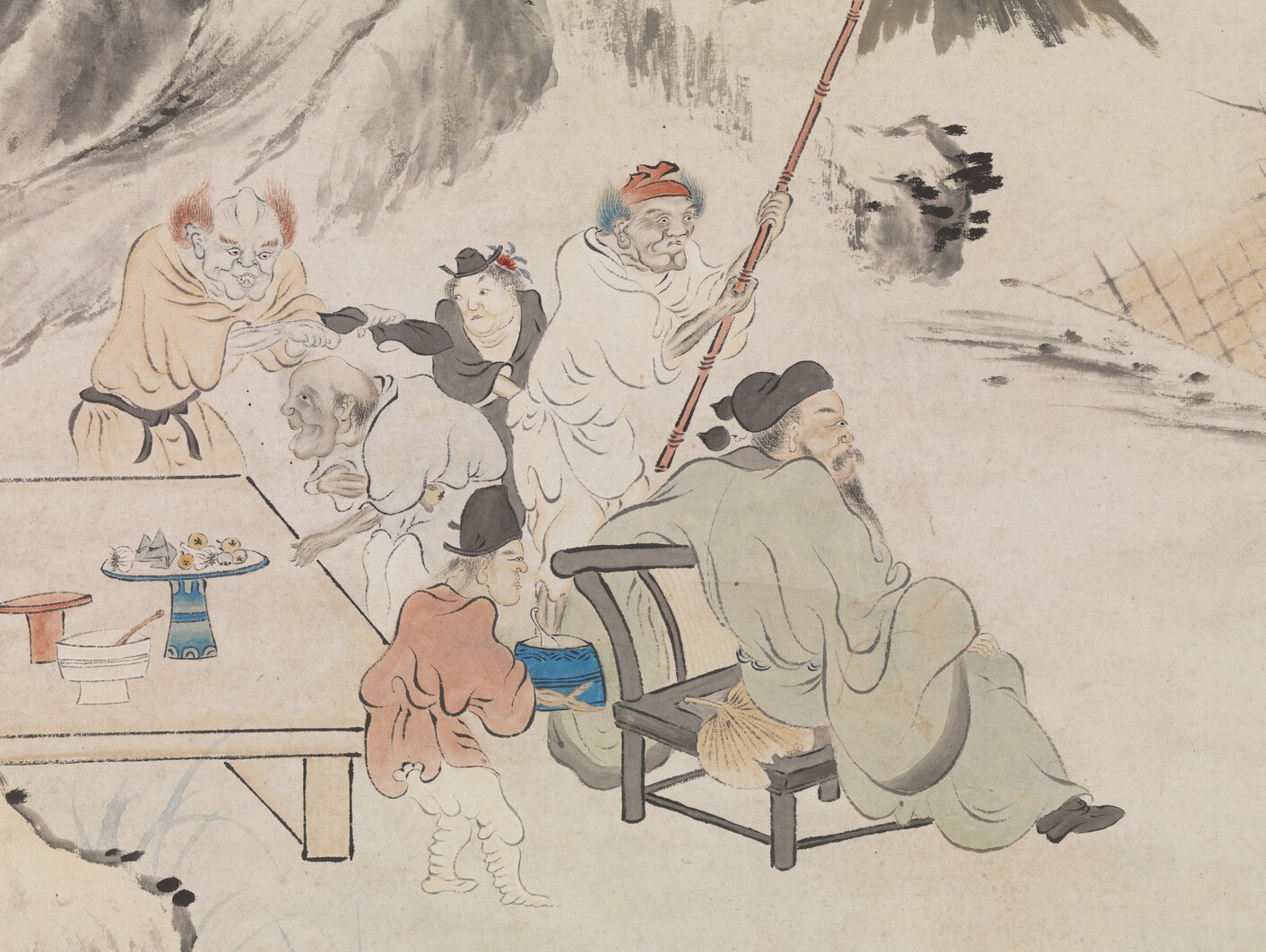
What does food reveal about religion, the body, morality, and social life? This course explores the religious life of food in China from the early imperial period to the present. Topics include Buddhist vegetarianism, Daoist fasting, bodily cultivation, food taboos, ritual offerings, social hierarchy, and religious foodways in everyday life. Particular ingredients—from grains, tea, and tofu to medicinal herbs and meat—serve as entry points into broader questions about religion and society. Combining religious texts, historical and visual sources, ethnography, and material culture, the course also features Food Labs in which students taste, prepare, and reconstruct foods and culinary practices. No prior coursework in Chinese religion is required. Students with reading knowledge of modern or Classical Chinese will find it helpful, though it is not required.
RELS 0160 Bloom on the Gallows: Mysticism in Islam
S. Ali
TTh 10:30-11:50
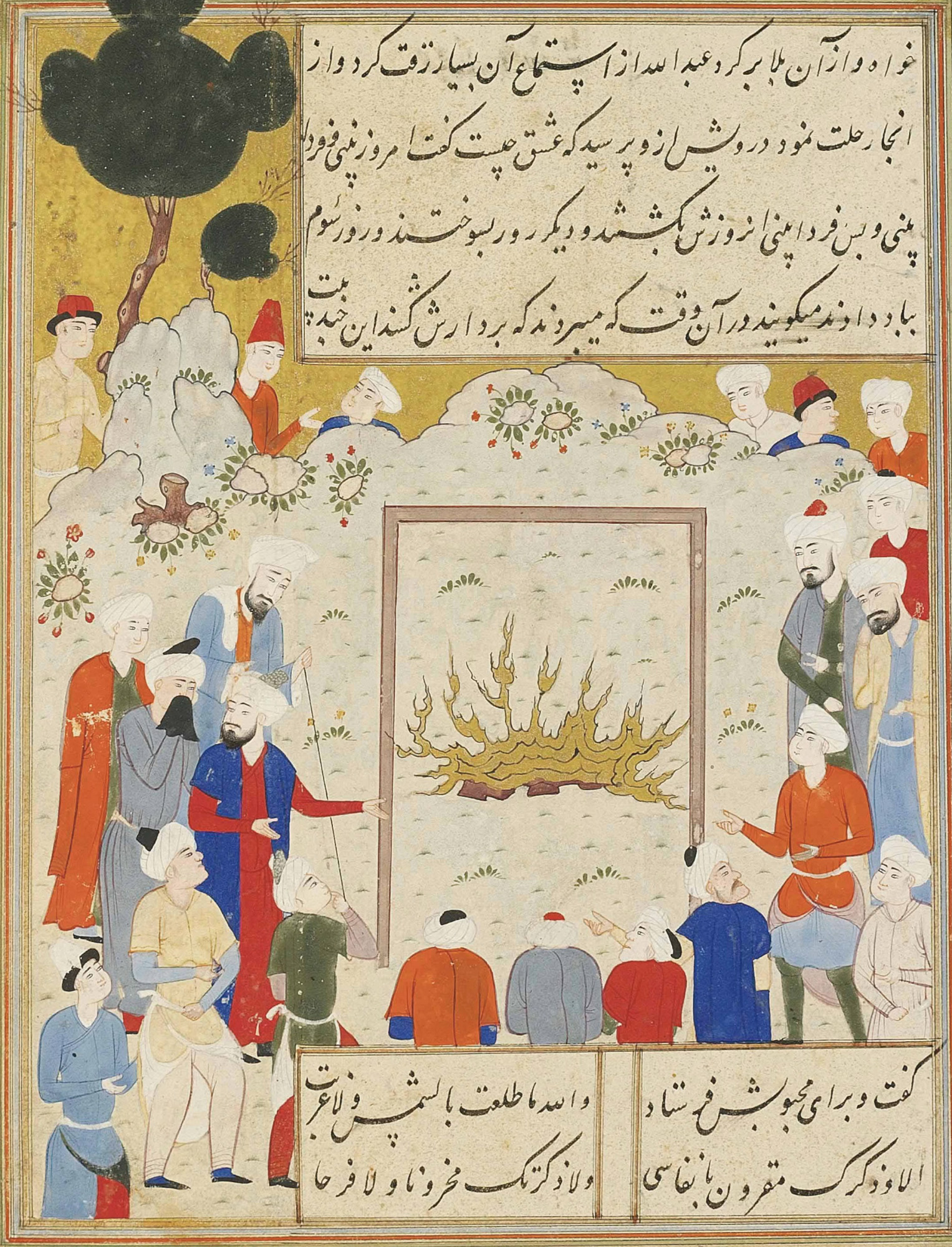
The mystical tradition of Islam, often dubbed Sufism, has for over a thousand years pursued the soul’s union with God—through poetry and music, ecstatic ritual and rigorous self-discipline, philosophy of dazzling subtlety, and scandalous transgression. This course introduces Islamic mysticism from its origins among eighth-century ascetics to its eventual flowering in the Sufi orders and its controversial life today. We meet martyrs executed for their love of God, poets who turned longing into some of the world’s greatest verse, philosophers who declared that all existence is one, and “unruly friends of God” who trespassed in the name of holiness. Ranging across the Persianate world, the Islamic West, and beyond, we attend to mysticism's entanglement with both Sunnī and Shīʿī Islam. We read its major voices in translation and ask why they have been at once beloved and fiercely contested.
Intermediate
RELS 0290D Islamic Sexualities
N. Khalek
TTh 2:30-3:50
In this course we examine gender and sexuality in a range Muslim cultures past and present, as well the ways in which Islam is imagined (in and against Orientalist scholarship) in relationship to gender and sexuality. In addition to topics such as Islamic law, the representation of women in the Quran, and gender and family issues in the life of the Prophet Muhammad, we will also explore scholarship on how constructions of gender and sexuality shape the representation of Islam and Muslims in a variety of contexts. Students will learn to engage with and complicate key terms including "masculinity," "cultural difference," "women's and LGBT rights," and "modernity/civilization" that are widely, and often uncritically, deployed in the study of Islamic life and culture.
RELS/HIAA 0405 Arts of the Sacred and the Demonic in the Ancient Mediterranean
S. Harvey, G. Rodriguez
MWF 1-1:50
From rural temple to urban shrine, to elegant synagogue or village church, from household prayer nook to adorned tomb, people in the ancient world honored, encountered, and experienced their gods. They practiced a piety in which human flourishing depended on gestures, rituals, and built articulations of devotion mediated by beauty. But holy powers could also be malevolent, so ancient art served to protect, warn, or ward off evil spirits. This course will explore the art, architecture, and material cultures of ancient Greeks, Romans, Jews, and Christians between the 6th century BCE and the 6th century CE. We will consider a wide variety of evidence, including texts, sculpture, frescoes, mosaics, architecture, and domestic artifacts, to explore the many ways in which these distinct but connected communities expressed their beliefs through visual representations and material practices.
RELS 0700H The Parting of the Ways?: Questioning Jewish/Christian Differences
(Register for JUDS 0608)
J. Han
TTh 9-10:20
How did a small apocalyptic Jewish movement from the backwaters of the Roman Empire turn into something that “we” might call Christianity? In other words, how and when did Judaism and Christianity “part ways?” While such questions might present themselves as straight-forward investigations into a historical event, they are not, in fact, as innocent as they might first appear. In this course, we will not seek to answer the question of the “Parting of the Ways” as much as we will critique it. Our aim is to reframe this crucial question by reflecting on the categories of religion, conversion, origins, narrative, and history, among others. We will read through a wide variety of ancient literature (including canonical and non-canonical Christian texts, rabbinic literature, Jewish poetry) and broach modern forms of “Jewish Christianity.”
 RELS/COST 0725 Psychedelics in Religion, Science, and Healing
N. Canby
TTh 9-10:20
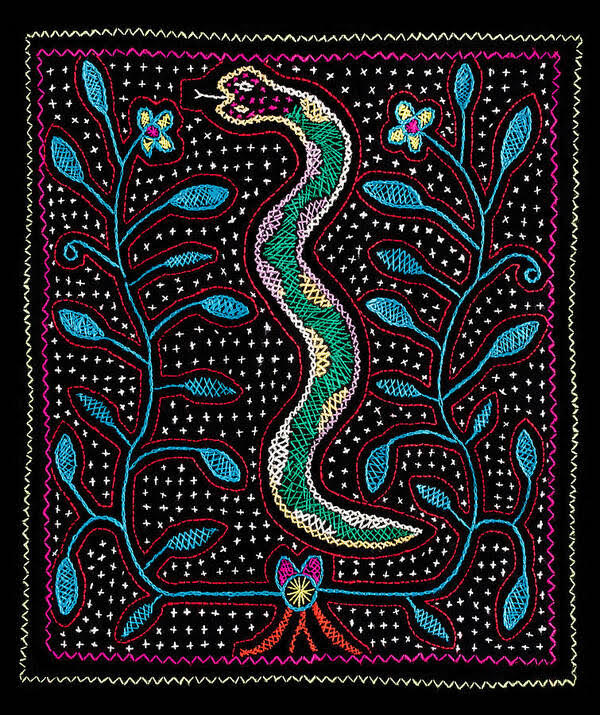
Psychedelics are in the midst of a renaissance of public attention. Though used for millennia in indigenous ceremonies and religious rites, it is only in the last century that they have played a role in Western science, medicine, and culture. Literally “manifesting the soul,” psychedelics have been both stigmatized and hyped, remaining illegal or controversial in many contemporary contexts even as they are marketed as the “next big thing” in mental health care. This course compares and contrasts the cultural and ontological contexts for psychedelic use from indigenous and religious ceremonies to contemporary scientific clinical trials and neuroscience. Along the way, pressing questions within the psychedelic field will be investigated from an interdisciplinary lens and with an appreciation for history and context.
 RELS 0815 Sacred Economy: Religion and Capitalism in US
D. Vaca
MWF 1-1:50
This course explores the ongoing relationship between religion and capitalism in the United States and the wider world. Although systems of economic organization and activity often seem to function as natural and secular spheres of social life, they meanwhile rely upon social priorities, intellectual presumptions, and cultural practices that continually have taken shape through the realm of religion. By exploring histories of capitalism from slavery to Silicon Valley, students will recognize how successive economic forms have drawn authority from religious ideas, initiatives, and individuals.
 RELS 0820 African American Religious Strategies: Martin and Malcolm
A. Willis
TTh 1-2:20
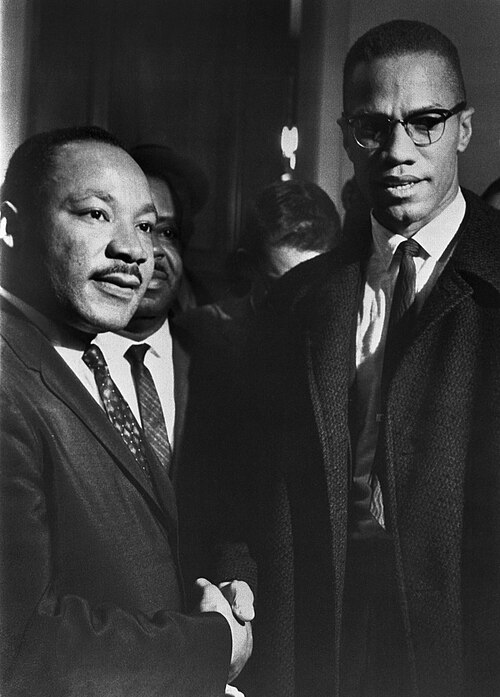
MLK, Jr. and Malcolm X are two iconic figures in the pantheon of black religious leadership. Their profoundly influential ideas about justice, freedom, democracy and racism, along with their activist strategies and personal biographies have generated extraordinary interest over the past 50 years. Despite this, the rich and complex tradition out of which their ideas and world-views evolve; the 300 year old religious strategies and practices employed by African-Americans have been understudied, disconnected from our understanding of their significance. This course will examine these traditions and these two central figures’ roles within them in order to shed important light on both.
Advanced
RELS 1111 Whose Mind is It? Resisting the Attention Economy Through Groundless Self-Awareness
H. Roth
F 3-5:30
The term attention economy refers to a business-marketing-economic system that treats human attention as a commodity, an economic resource that can be readily exchanged. In contemporary society, increasingly sophisticated digital technologies compete for our attention, frequently undermining attentional autonomy and manipulating individual behavior for economic and political purposes. Using the Contemplative Studies approach of contextualized empiricism, we examine the attention economy and explore how contemplative practices developed within two Asian Buddhist traditions can help us recover greater autonomy over our attention. We also investigate a deeper question: What is the nature of the self whose attention we are trying to reclaim?
 RELS 1325C The Virgin Mary in Christian Tradition
S. Harvey
W 3-5:30
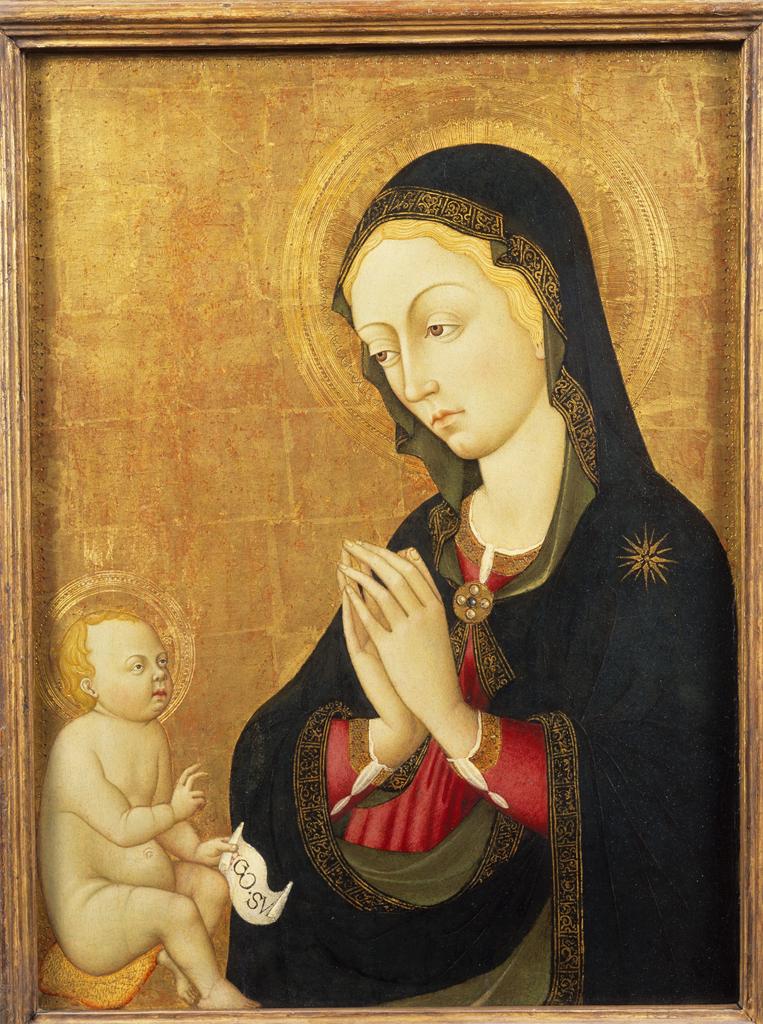
Who was the Virgin Mary? How did she become important, when and to whom? What was inherited? What was new? How were Mary’s meanings demonstrated? A study in the developing theological and devotional traditions regarding Mary the Mother of Jesus, focused on the first thousand years of Christian history. Major theological positions; relationship to pre-existing religious practices and goddess traditions; the role of popular violence; Marian piety; Marian relics; Mary as cultural metaphor. Seminar format.

RELS 1370C David Hume and Religion
A. Willis
M 3-5:30
This course will consider and challenge traditional scholarly views of philosopher David Hume as a critic of Christianity, by examining a wide range of his writings (letters, historical writings, moral enquiries, philosophical and religious writings). How might his corpus inform work in philosophy of religion? Previous coursework in philosophy or philosophy of religion strongly advised.
![]() RELS 1382 Ritual Subjects: From Ethics to Politics
C. Stern
T 4-6:30
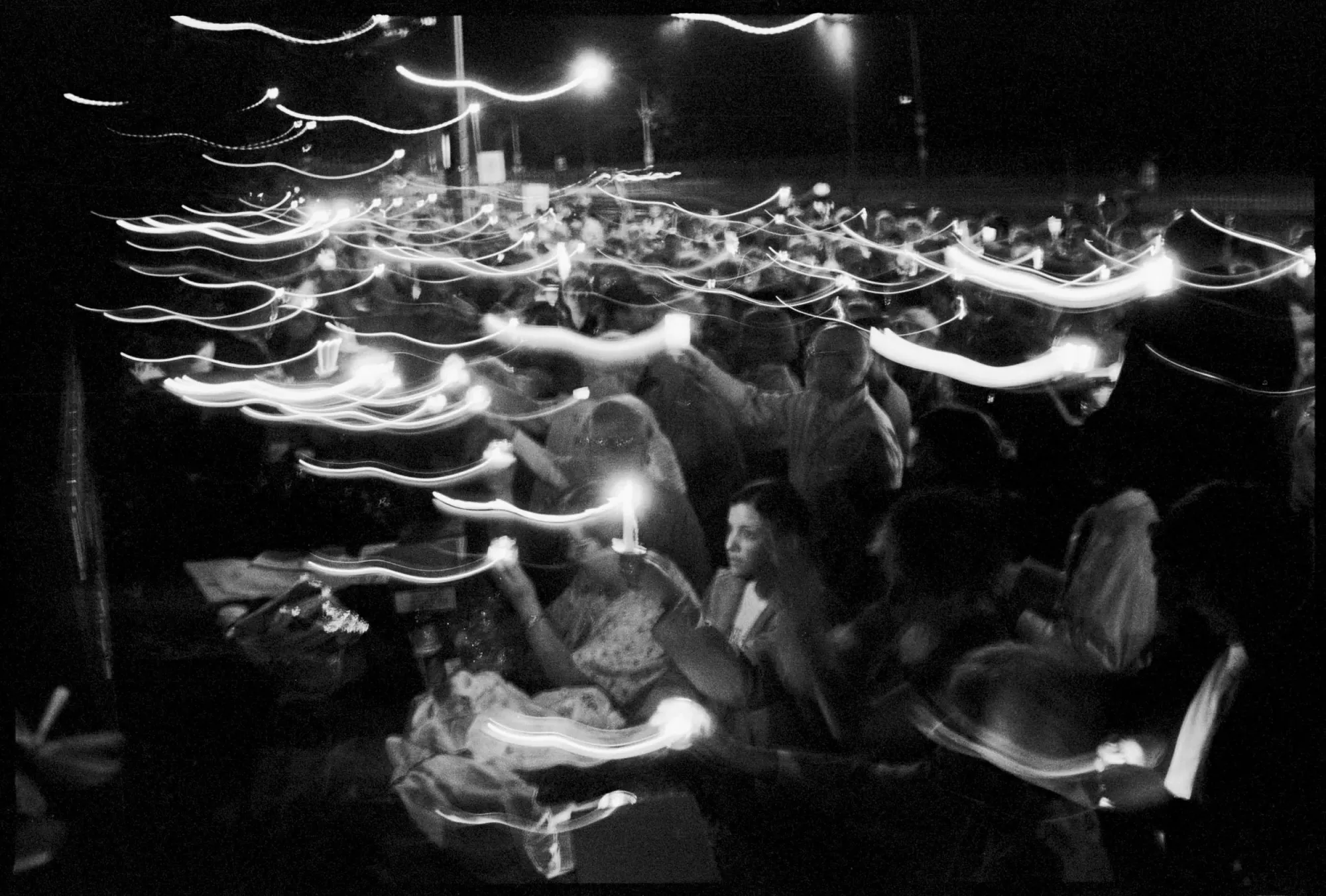
This seminar focuses on people who do ritual—how they do it, what it does to their subjectivity and belonging, and why it matters to individuals and groups. Work in religious studies that focuses on ritual practice over and against ritual definition has helped to shift questions from what ritual is to what ritual does. With ritual doing in mind, this seminar examines the ethical and political worlds of ritual subjects. How do ritual actors understand, disrupt, and maintain the social norms in which they find themselves through ritual practice? We will consider ritual in both ordinary and extraordinary contexts, attending to questions of the self and its relation to others. In addition to key texts in religious studies and ritual studies, this course also engages heavily with feminist thought and political theory.
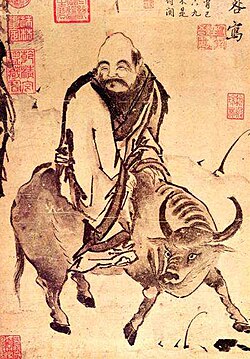
COST/RELS 1420 The Contemplative Foundations of Classical Daoism
H. Roth
T 6:30-8:50
Introduction to classical Daoism, one of the two indigenous religions of China, through the history, philosophy, and contemplative practices found in its foundational works the Daodejing and the Zhuangzi. Through careful study of these texts, we will attempt to reconstruct the intellectual and experiential elements on which this tradition was based.
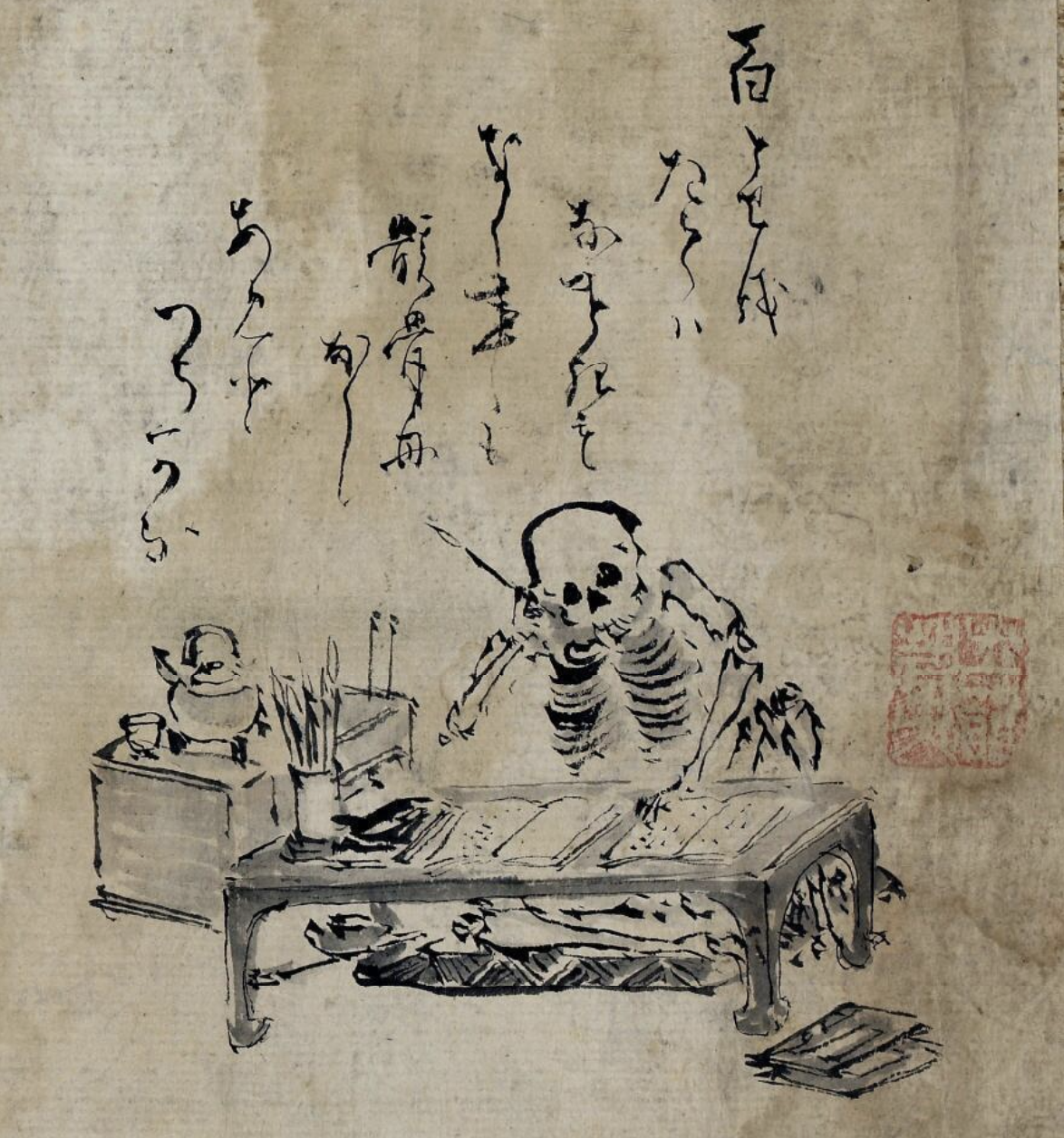
RELS 1425 Buddhist Poetry
J. Protass
W 3-5:30
This course surveys Asian and Anglophone literary cultures that emerged in response to Buddhist teachings and practices. Through close reading, we will engage epic poetry celebrating the Buddha’s life; verses in Buddhist scripture; the landscape poetry of Chinese hermits; the poetry of early nuns; Japanese poems of spiritual travel; American beatniks; and contemporary Taiwanese poetry. All readings are available in English. Students may complete a creative or imitative project, an original translation, or a research paper for the final project.
RELS 1530I Ethics in Islamic Thought
N. Khalek
W 3-5:30
How have Muslim thinkers grappled with ethical and meta-ethical dilemmas throughout history? From questions of “How do we know what we know about God?” to fundamental quandaries like the problem of evil—this course explores how Islamic thought (philosophical, theological, and traditional) has confronted and navigated these types of questions. At the base these of inquiries is a fundamental quest to learn how to discern the good, how to live well, and how to merit salvation. This is an advanced course that will appeal especially (but not exclusively) to students interested in learning about philosophy, history, and religion.
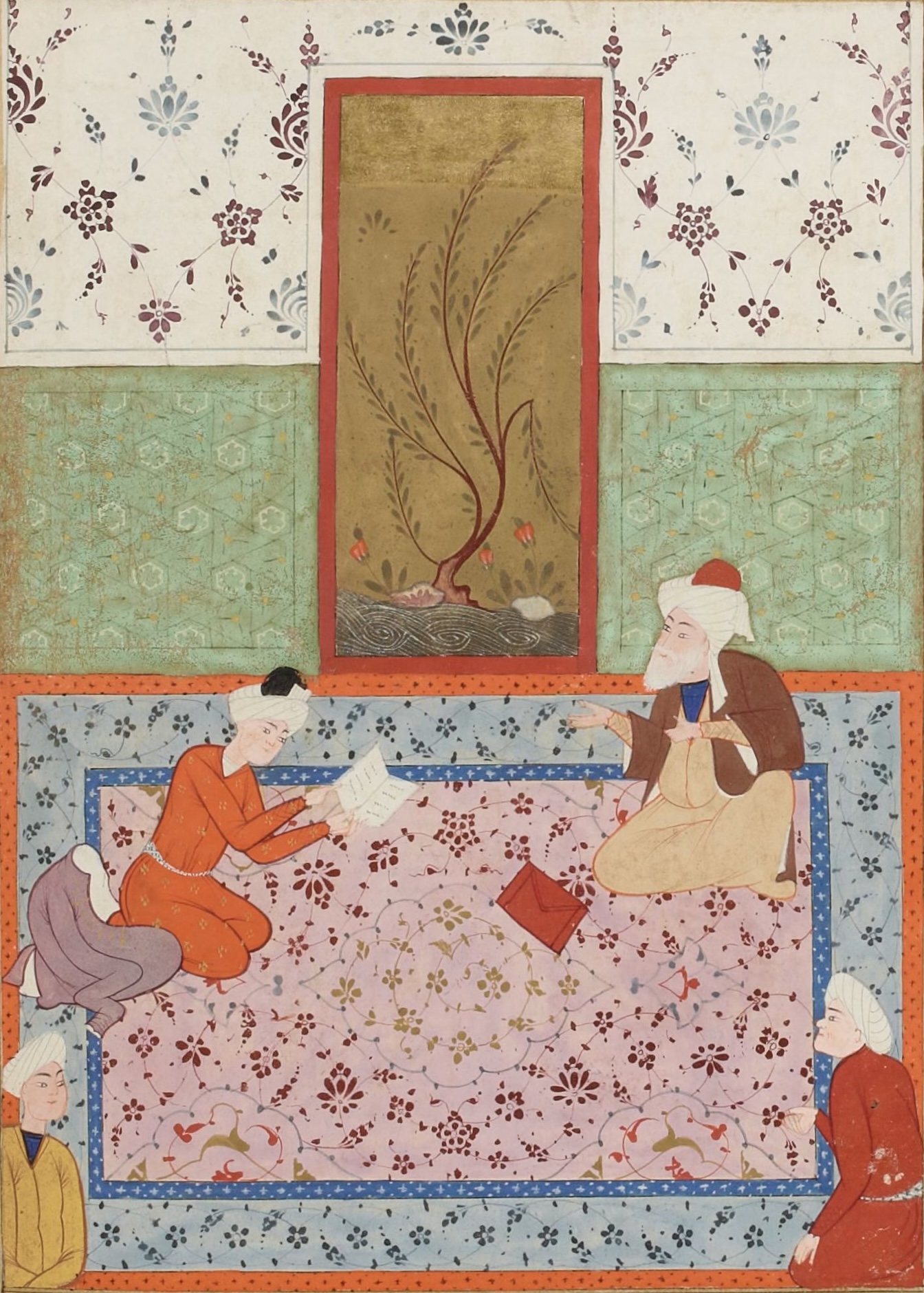
RELS 1545 Ulema: Knowledge and Power in Islam
S. Ali
Th 4-6:30
Islam has no fixed church or clergy to officially settle what Muslims must believe or practice. What it has are scholars, the ulema. One could not become a scholar by reading books or attending a college alone; aspirants ideally sat with an expert for years, listening, reading, commenting, and debating. Authority ran through chains of masters. What they certified was not a stock of information but a trained disposition to think and judge within a field. This seminar takes that self-understanding seriously. We ask how scholarly communities emerged; how their members dealt with rulers and with one another; who was let in and who was not. We read chronicles, letters, biographies, and the ulema’s own manuals of intellectual conduct. We end with the colonial period, and ask what happens to a culture when its institutional bearings are remade at once.
RELS 1990 Individual Study Project
Directed reading and research arranged with individual faculty. Section numbers vary by instructor. Please check Banner for the correct section number and CRN to use when registering for this course.
RELS 1999 Thesis Preparation
Required of seniors in the honors program. Open to others only by permission of the chair of the department. Section numbers vary by instructor. Please check Banner for the correct section number and CRN to use when registering for this course.
Graduate
 RELS 2110E Just Home: Place, Belonging, and Justice
M. Cladis
Th 3-5:30pm
What helps to establish beneficial (just and nurturing) homes, communities, and connections to place? What works against these? This seminar explores the relation between people, place, identity, and belonging, with a strong emphasis on racial, Indigenous, feminist, queer, and environmental justice. The seminar begins by interrogating the concept of home broadly. What constitutes notions of home and belonging? We then move to different frameworks through which we explore the concept of home: for example, nationhood, colonialism, and globalization; Earth as home and more-than-human dwelling; Indigenous dispossession and homemaking; feminist and queer ways of belonging; Black homes as sites of resistance, tenderness, and beauty; belonging and precarity among the unhoused and the incarcerated. The readings addressing these topics are diverse in disciplinarity and genre.
RELS 2460 Professionalization Seminar
J. Han
In addition to acquiring and practicing the arts of scholarship, teaching, and service, graduate students need to learn how to relate to colleagues, apply and interview for jobs, and submit proposals to conferences and publishers. The details of these processes are often mysterious, even to the initiated. The purpose of this seminar is to explore these various features of academia and graduate studies in a well informed manner. It is intended for fourth-year doctoral students in the Department of Religious Studies. Instructor permission required.